From Crispy to Lush: The Surprisingly Simple Guide to Turning Dry Grass Green Again
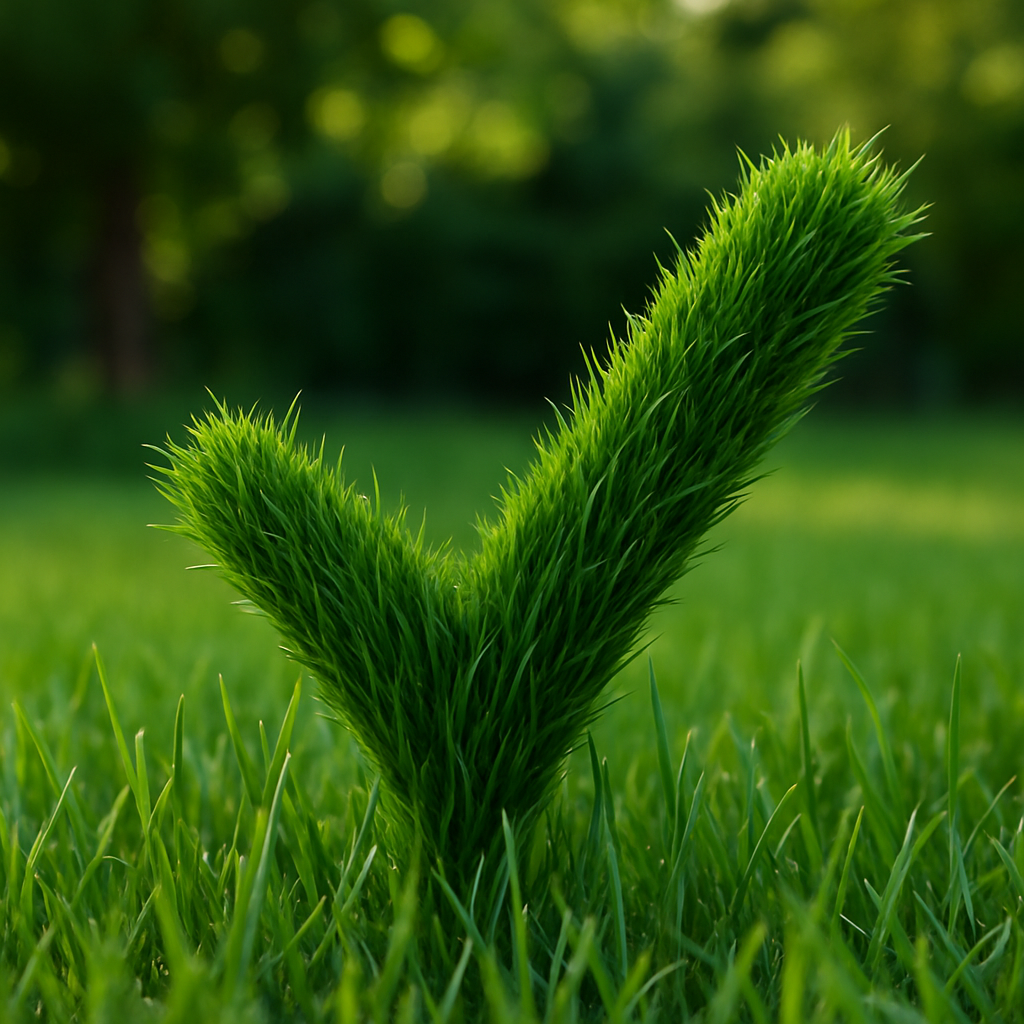
Why Your Lawn Dried Out — and How to Fix It Fast
 Dry grass happens to everyone, even the best lawn-loving homeowners. But crispy, yellow, sad-looking grass doesn’t mean your lawn is doomed. In fact, most “dead-looking” grass is completely revivable.
This guide teaches you how to bring dry grass back to life using simple, beginner-friendly steps that actually work.
No sales pitch. No fancy chemicals. Just real lawn science made easy.
Why Grass Turns Dry in the First Place
Grass dries out when it’s stressed. It’s not trying to ruin your summer… it just needs help.

Top Reasons Your Grass Gets Dry or Crunchy
-
Not enough water
-
Heat stress
-
Mowing too short
-
Dull mower blades
-
Compacted soil
-
Dog urine
-
Lawn disease or fungus
Once you know the cause, you can fix the problem faster.
Dead or Just Dry? Here’s How to Tell

Dry grass ≠ dead grass.
Most of the time, it’s simply dormant.
The Pull Test
Gently tug the grass:
Gently tug on a small clump of grass. If it pulls out easily with little resistance, that patch is dead. But if it stays firmly rooted, the grass is still alive and revivable.
-
Pulls out easily → dead
-
Stays rooted → alive and revivable
The Color Test
-
Yellow → stressed
-
Tan → dormant
-
Straw-like → possibly dead
-
Green at the base → it’s coming back!
Step-by-Step: How to Make Dry Grass Green Again
These steps are in the exact order lawn professionals recommend.
Follow them in sequence for the BEST recovery.
1. Water Deeply (Not Just Often)
Your lawn needs 1–1.5 inches of water weekly.

Best schedule:
Your lawn needs 1 to 1.5 inches of water per week, ideally applied over three to four mornings, running each zone for 20 to 30 minutes and avoiding any watering after 6 p.m. Watering in the morning prevents fungus and helps the soil absorb moisture more effectively.
-
Water 3–4 mornings per week
-
20–30 minutes per zone
Morning watering prevents fungus and maximizes absorption.
2. Mow High — Not Low

Cutting grass too short causes stress and dryness.
Taller grass retains moisture and shades the soil.
Set your mower height to 3–4 inches.
And remember:
Never cut more than 1/3 of the blade at once.
3. Check Your Mower Blade (It Might Be Ruining Your Lawn)
A dull blade shreds the grass, making it look brown at the tips.
Signs your blade is dull:
-
Frayed tips
-
White or brown streaks
-
Grass looks “chewed”
Sharpen your blade at least once per season.
4. Aerate to Let Your Grass Breathe
Compacted soil keeps water from reaching the roots.
Signs You Need Aeration:
-
Water pooling
-
Hard, stiff soil
-
Footprints stay visible
Use either:
-
A core aerator (best choice)
-
A spike aerator (quick fix)
Aeration helps water and nutrients reach the root zone.
5. Feed Your Lawn the Right Way
Use a nitrogen-rich fertilizer to bring back the green.

Look for N-rich options like:
(24-4-8), (30-0-4), (16-0-1)
Avoid fertilizing during extreme heat — it can stress the lawn.
6. Fix Dead Patches by Reseeding
If a patch is truly dead, reseeding is required.
How to Reseed Dead Spots:
-
Rake out dead grass
-
Loosen soil
-
Add grass seed
-
Water lightly daily
-
Avoid mowing the area for 2–3 weeks
If You Have a Dog… Read This
Dog urine contains high nitrogen and salts that burn the grass.

Fixing Dog Spots:
-
Soak with water immediately after urination
-
Reseed the area if it died
-
Create a designated “dog zone” with mulch or gravel
Improve Soil Health Over Time
Healthy soil = green grass.
Add these habits:
-
Use compost in spring/fall
-
Water consistently
-
Overseed annually
-
Stop scalping the lawn
-
Allow microclover to grow (it naturally adds nitrogen)
☀️ How Long Until My Grass Turns Green Again?
You’ll see signs of recovery in 7–14 days.
Full greening takes 3–6 weeks, depending on:
-
Weather
-
Grass type
-
Soil condition
-
Watering consistency
Be patient — grass always grows back if the roots are alive.
❓ FAQ: Homeowners Ask These All the Time
Is brown grass dead?
Not usually — heat often makes grass go dormant.
Can yellow grass turn green again?
Yes. Yellow grass is stressed, not dead.
Do I need to remove brown grass?
Only if it’s dead. Dormant grass should stay.
What’s the biggest mistake people make?
Mowing too short.
Final Thoughts: A Green Lawn Is Easier Than You Think

Dry grass looks dramatic, but reviving it is simple.
Water deeply. Mow high. Feed lightly. Reseed where needed. Be patient.
Give your lawn just a little consistency, and it will reward you with lush, green growth — even after looking completely done for.